
Commercial Build-outs permits in Winnipeg: what homeowners should know in 2026
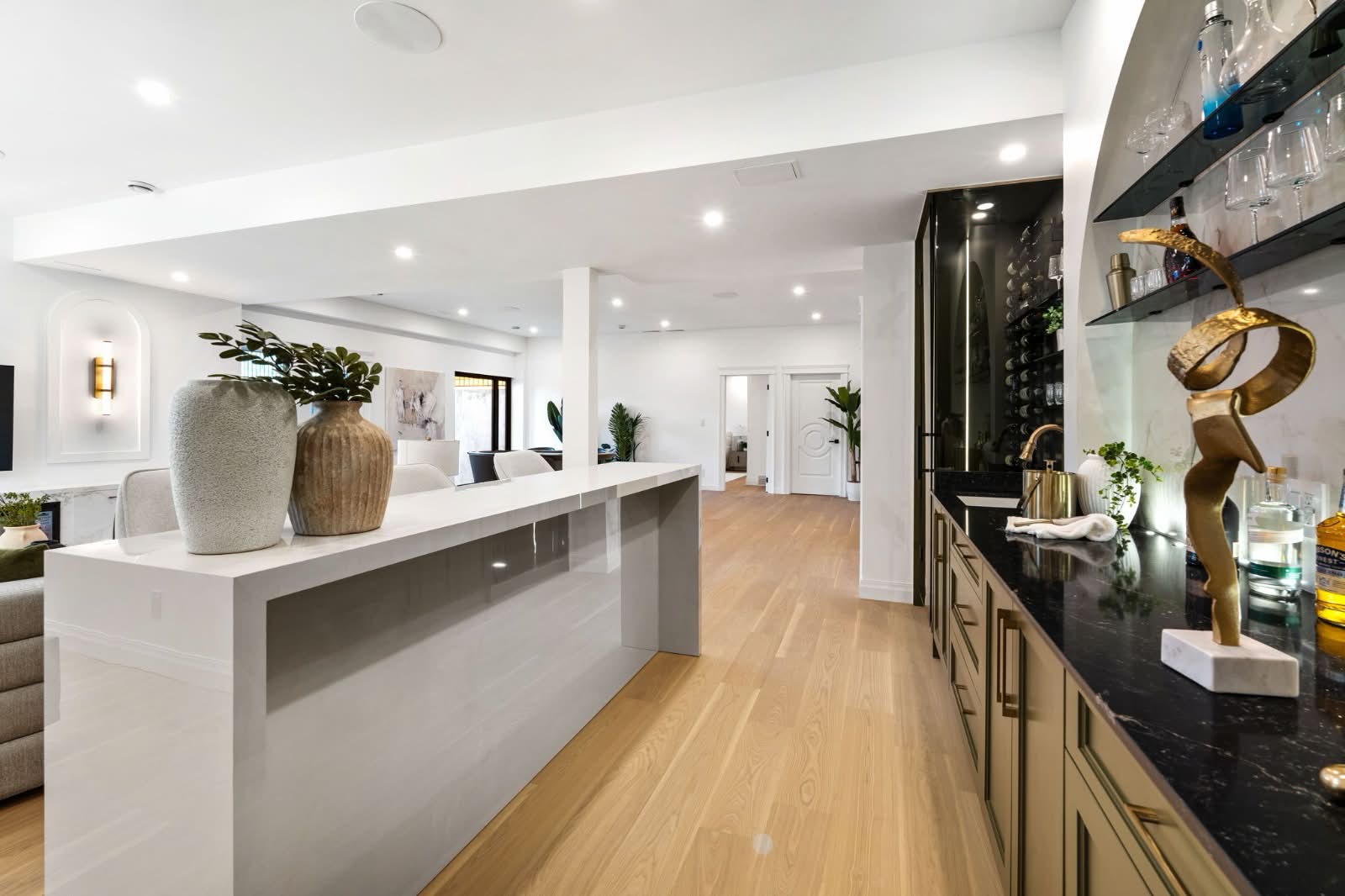
Permits are the part of commercial build-outs most homeowners want to skip and most regret skipping. For a commercial build-out in Winnipeg, the City of Winnipeg has clear requirements for what needs a permit, who can pull it, and what inspections verify. Getting this right on the front end protects your warranty, your insurance coverage, and your resale paperwork. Getting it wrong creates problems that surface months or years later.
Permit and inspection process
commercial permits are more complex than residential — occupancy classifications, fire and life safety, and accessibility all come into play. The City of Winnipeg’s permit fee schedule scales with project value, and inspection costs are rolled into the permit fee. We include all permit and inspection coordination in our written scope so there are no surprises.
In 2026, City of Winnipeg review times are running roughly 2-4 weeks for straightforward applications. Larger scopes, variance requests, or applications flagged for additional review can run 6-10 weeks. We typically submit as soon as scope and drawings are locked so the design-to-start window is as short as possible.
The inspection sequence for commercial build-outs usually involves at least three touch points: rough-in (framing, plumbing, and electrical before drywall), insulation/vapour barrier, and final. Each inspection has to pass before the next phase proceeds. Good contractors schedule inspections as soon as they’re ready, not when they’re behind — this keeps the project on schedule.
Why Winnipeg is different
The capital covers every era of home; the right approach depends on which era yours falls into. The neighbourhood is characterized by everything from pre-war character homes through contemporary infill — the full spectrum of Winnipeg housing — older homes with character, mid-century builds, and newer construction across the core and periphery. For commercial build-outs specifically, we typically encounter a wide range of conditions depending on the era of the specific home, from knob-and-tube wiring in older cores to modern code-compliant systems in new builds. the Winnipeg market ranges from entry-level to luxury within a short drive of each other.
commercial permits are more complex than residential — occupancy classifications, fire and life safety, and accessibility all come into play. For commercial build-outs in Winnipeg, the practical implication is that scope definition has to account for the era of the home and the conditions we know we’ll find behind finished walls — rather than being priced against a fictional ‘typical’ home that doesn’t match the reality of Winnipeg housing stock.
What to expect day-to-day
For commercial build-outs in Winnipeg, expect crews, deliveries, and dust — even with the best protection plans. Dust barriers reduce but don’t eliminate migration into adjacent spaces. Some days are loud (demolition, framing, concrete cutting); others are quiet (taping, finishing, cabinet install). A clear schedule from the contractor should tell you which days require you to be elsewhere and which you can work through from home.
Even with a fully planned scope, decisions come up mid-project — finishes, hardware, alternates when back-ordered materials shift lead times. The best projects run on documented decisions: when you pick something, it goes in writing and gets confirmed before install. A good contractor has a clear process for this — ask about it during your interview.
Common mistakes homeowners make
Three patterns account for most of the problems we see on commercial build-outs in Winnipeg:
Choosing the lowest bid without aligning scope. The cheapest quote is usually the one with the biggest omissions. Before choosing on price, put the quotes side by side and verify what each one includes, excludes, and leaves as allowance.
Skipping the contingency line. Winnipeg homes frequently surface conditions that weren’t visible at quoting — active moisture, outdated wiring hidden behind finished walls, structural surprises. A 10-15% contingency separate from the base budget turns those surprises from financial emergencies into routine decisions.
Paying too much up front. Reasonable deposits exist. Paying more than 30-40% before meaningful work is on site is a red flag in almost every case, and it removes most of your leverage if the project stalls or underperforms.
Frequently asked questions
Does every commercial build-outs project need a permit?
Not every one — cosmetic-only work typically does not. Anything that touches structure, plumbing, electrical, or changes use requires a permit in Winnipeg. When in doubt, call the City of Winnipeg Planning, Property & Development Department.
Who pulls the permit — me or the contractor?
The licensed contractor should pull the permit in their name. That puts responsibility for code compliance on them. Homeowners pulling their own permits carry that responsibility themselves.
What do City of Winnipeg permits cost for commercial build-outs?
Permit fees scale with project value — the city's fee schedule is public. We include all permit and inspection coordination in our written scope, so permit costs are visible up front rather than showing up mid-project.
What if work was done without permits in the past?
Unpermitted past work can surface at resale or insurance claim time. Solutions range from retroactive permits to as-built documentation, depending on what was done. A contractor or the city can advise based on specifics.
Ready to talk specifics?
If you’re planning a commercial build-out in Winnipeg, book a free consultation with 5 Star GC. We’ll walk through your project, answer your questions, and follow up with a clear written scope. We cover Winnipeg and the surrounding communities across Manitoba. For more on how we approach this work, see our commercial build-outs service page.
For more reading on commercial build-outs considerations, see this related guide.