
Best time of year for basement development in River Heights, Manitoba
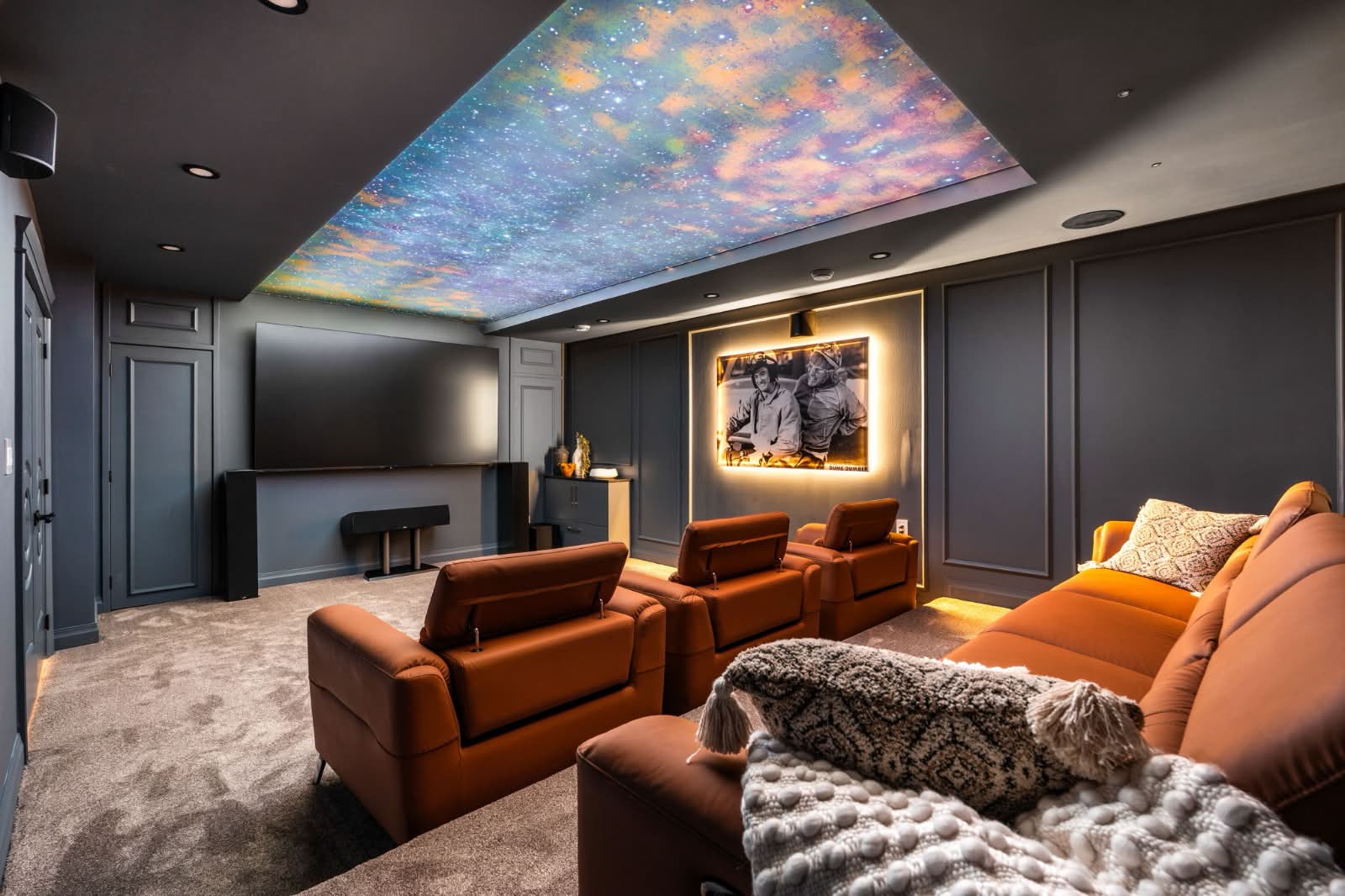
Manitoba’s climate affects basement development more than most homeowners expect when they first start planning. Seasonal factors shape material deliveries, permit review timelines, crew availability, and which phases of construction can happen when. For a basement development project in River Heights, picking the right season for your scope is one of the simpler ways to save money and avoid delays.
Manitoba climate considerations
basements are one of the best projects to run in winter — the work happens entirely in conditioned space. Manitoba’s freeze-thaw cycle and deep winter temperatures affect every outdoor scope and some indoor materials. For basement development specifically, moisture-tolerant materials matter here — proper vapour management, elevated subfloor systems, and appropriate insulation for below-grade conditions.
Practical implications for River Heights homeowners: interior scope runs well year-round and crews are often more available in winter. Exterior scope — foundations, envelope, roofing, siding — is tied to weather windows. Planning 3+ months ahead of desired start date puts you in the best position to have flexibility on season.
Realistic timeline, phase by phase
The active construction time for basement development is 4-8 weeks of active construction for a standard 700-1,000 sq ft basement. But the full project timeline — from first conversation to final inspection — runs longer because it includes phases most contractors don’t emphasize in their sales pitch:
- Design and scoping: 2-4 weeks for detailed scope, selections, and a quote.
- Permit review: 2-6 weeks from City of Winnipeg for standard applications; longer for variance requests.
- Material procurement: 1-6 weeks (often concurrent with permits). Custom cabinetry, specialty tile, and engineered lumber can extend this.
- Active construction: 4-8 weeks of active construction for a standard 700-1,000 sq ft basement.
- Inspections and punch list: 1-2 weeks after substantive completion.
Adding those phases together, a project with 4-8 weeks of active construction for a standard 700-1,000 sq ft basement of active construction realistically runs 2-4 months start-to-finish. Contractors who quote only active construction are leaving out the rest of the picture, and clients who plan around that number end up frustrated.
Why River Heights is different
River Heights projects balance respecting the character of the home with updating how it functions. The neighbourhood is characterized by pre-war and wartime construction, heavy on 2.5-storey character homes and solid 1920s-1940s builds — established tree-lined streets with pre-war character homes that owners work hard to preserve while modernizing. For basement development specifically, we typically encounter original plaster walls, 90-year-old structural quirks, period details worth preserving, and outdated systems hidden behind beautiful facades. River Heights holds its value through every market cycle — good bones and neighbourhood character do the heavy lifting.
the City of Winnipeg requires a building permit for any finished basement, plus electrical and plumbing permits for any added circuits or fixtures. For basement development in River Heights, the practical implication is that scope definition has to account for the era of the home and the conditions we know we’ll find behind finished walls — rather than being priced against a fictional ‘typical’ home that doesn’t match the reality of River Heights housing stock.
Permit and inspection process
the City of Winnipeg requires a building permit for any finished basement, plus electrical and plumbing permits for any added circuits or fixtures. The City of Winnipeg’s permit fee schedule scales with project value, and inspection costs are rolled into the permit fee. We include all permit and inspection coordination in our written scope so there are no surprises.
In 2026, City of Winnipeg review times are running roughly 2-4 weeks for straightforward applications. Larger scopes, variance requests, or applications flagged for additional review can run 6-10 weeks. We typically submit as soon as scope and drawings are locked so the design-to-start window is as short as possible.
The inspection sequence for basement development usually involves at least three touch points: rough-in (framing, plumbing, and electrical before drywall), insulation/vapour barrier, and final. Each inspection has to pass before the next phase proceeds. Good contractors schedule inspections as soon as they’re ready, not when they’re behind — this keeps the project on schedule.
Frequently asked questions
When should I start planning for basement development in River Heights?
Roughly 3 months before you want work to begin. That gives time for design, pricing, permit submission, and material ordering without rushing any phase.
Is winter a bad time to start?
For interior scope, no — often it's the best time. basements are one of the best projects to run in winter — the work happens entirely in conditioned space. Exterior scope with new framing or foundations runs better from April through October in Manitoba.
Does season affect cost?
Slightly. Winter crews are typically more available for interior work, which can shorten schedules without affecting quote prices. Summer slots fill faster and sometimes command small premiums.
Can I start mid-project if something comes up?
Staggered starts are possible but expensive — crew mobilization, dust control, and protecting prior work add cost. Plan for a continuous project once construction begins.
Ready to talk specifics?
If you’re planning a basement development project in River Heights, book a free consultation with 5 Star GC. We’ll walk through your project, answer your questions, and follow up with a clear written scope. We cover River Heights and the surrounding communities across Manitoba. For more on how we approach this work, see our basement development service page.
For more reading on basement development considerations, see this related guide.