
Commercial Build-outs in a Winnipeg winter: what Transcona homeowners should know
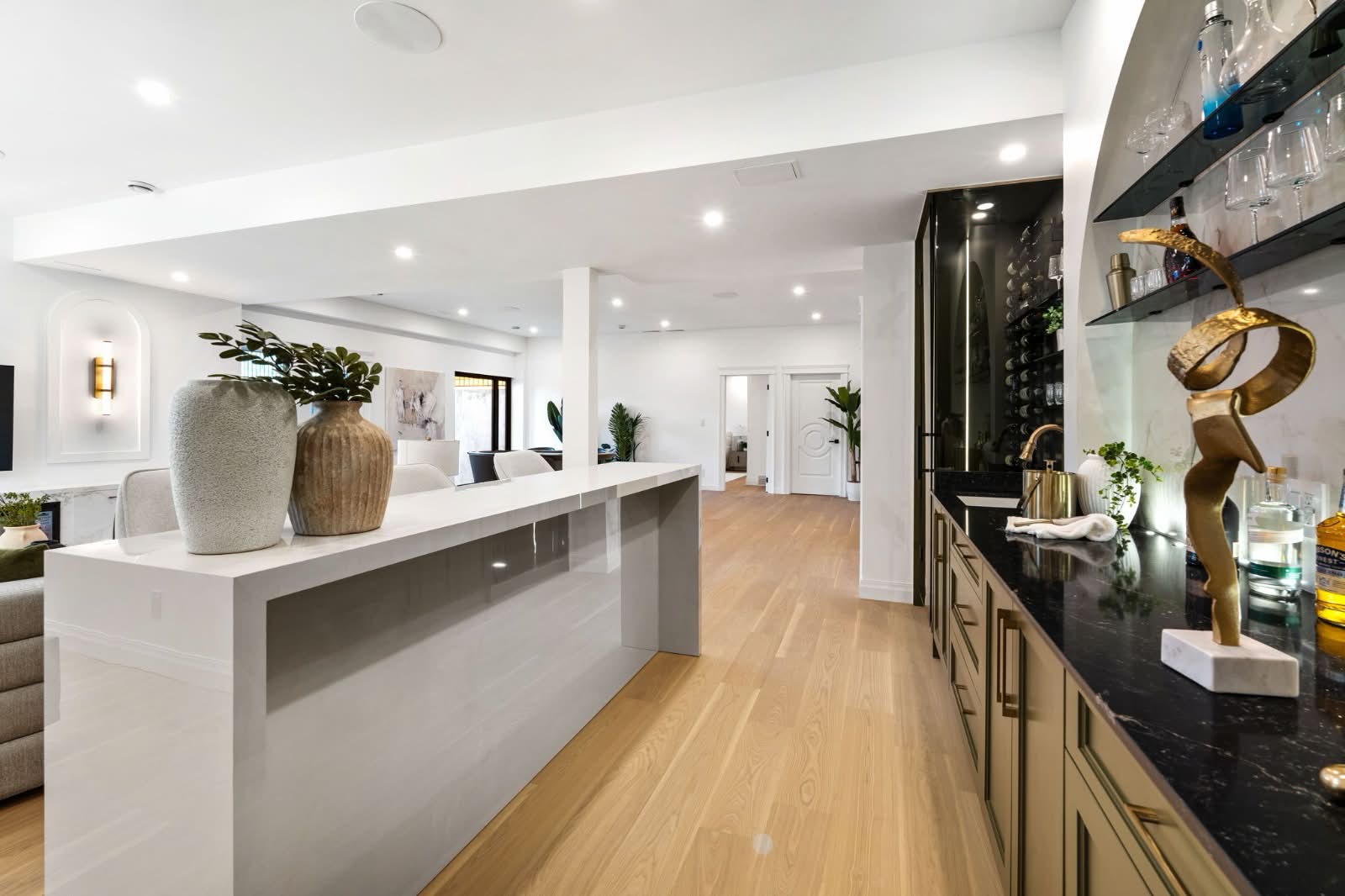
Winnipeg winters don’t pause construction — but they do change what’s practical, what requires extra preparation, and what should wait for warmer weather. For a commercial build-out in Transcona, this guide covers what goes fine in winter, what gets harder, and how to decide between starting now or waiting until spring.
Manitoba climate considerations
commercial schedules rarely accommodate seasonal delays — weather protection and scheduling discipline matter. Manitoba’s freeze-thaw cycle and deep winter temperatures affect every outdoor scope and some indoor materials. For commercial build-outs specifically, commercial-grade finishes, accessibility requirements (barrier-free), and durable materials for high-traffic use.
Practical implications for Transcona homeowners: interior scope runs well year-round and crews are often more available in winter. Exterior scope — foundations, envelope, roofing, siding — is tied to weather windows. Planning 3+ months ahead of desired start date puts you in the best position to have flexibility on season.
Realistic timeline, phase by phase
The active construction time for commercial build-outs is 6-14 weeks depending on scope; commercial schedules are typically tighter than residential. But the full project timeline — from first conversation to final inspection — runs longer because it includes phases most contractors don’t emphasize in their sales pitch:
- Design and scoping: 2-4 weeks for detailed scope, selections, and a quote.
- Permit review: 2-6 weeks from City of Winnipeg for standard applications; longer for variance requests.
- Material procurement: 1-6 weeks (often concurrent with permits). Custom cabinetry, specialty tile, and engineered lumber can extend this.
- Active construction: 6-14 weeks depending on scope; commercial schedules are typically tighter than residential.
- Inspections and punch list: 1-2 weeks after substantive completion.
Adding those phases together, a project with 6-14 weeks depending on scope; commercial schedules are typically tighter than residential of active construction realistically runs 2-4 months start-to-finish. Contractors who quote only active construction are leaving out the rest of the picture, and clients who plan around that number end up frustrated.
Why Transcona is different
Transcona properties frequently need both cosmetic updates and infrastructure upgrades together. The neighbourhood is characterized by primarily 1940s through 1960s — post-war bungalows and smaller family homes — established working neighbourhoods with housing stock 60-80 years old and a deep community fabric. For commercial build-outs specifically, we typically encounter aging mechanicals, smaller footprints that homeowners often want to expand, and original wiring and plumbing in many homes. Transcona remains one of Winnipeg’s more accessible neighbourhoods for first-time buyers and mid-career families.
commercial permits are more complex than residential — occupancy classifications, fire and life safety, and accessibility all come into play. For commercial build-outs in Transcona, the practical implication is that scope definition has to account for the era of the home and the conditions we know we’ll find behind finished walls — rather than being priced against a fictional ‘typical’ home that doesn’t match the reality of Transcona housing stock.
Material choices that matter most
For commercial build-outs, commercial-grade finishes, accessibility requirements (barrier-free), and durable materials for high-traffic use. Local suppliers in Manitoba carry what local builders install regularly, which means faster replacement parts, easier warranty service, and tradespeople who already know how to install the material correctly. Specialty or imported products can work beautifully — they just require longer lead times and confirmation that someone local knows how to install them correctly.
Manitoba’s climate punishes anything with poor moisture performance or thermal inefficiency. Choose materials and assemblies rated for our freeze-thaw cycle, not warmer-climate defaults. That means careful attention to vapour barriers, insulation R-values appropriate to Zone 7A, and finish materials that handle movement without cracking or delaminating.
Frequently asked questions
What commercial build-outs scope runs fine in winter?
Interior work — basements, renovations, finishing, drywall, interior framing — proceeds year-round once the site is enclosed and heated. Quality doesn't suffer, and schedule often improves in winter.
What gets harder in winter?
Anything requiring new foundations, exposed framing, envelope work, or exterior finishing. Some adhesives, sealants, and concrete mixes have minimum temperatures to cure correctly. Good contractors plan around this rather than pretending it doesn't matter.
Do crews charge more in winter?
Usually no — crews are often more available in winter so schedules open up. For exterior work, additional heating, ground thaw, and weather protection can add modest cost.
Should I wait until spring if I can?
For exterior scopes, often yes. For interior scopes, winter starts often mean earlier project completion than equivalent projects delayed until summer — because summer schedules fill up first.
Ready to talk specifics?
If you’re planning a commercial build-out in Transcona, book a free consultation with 5 Star GC. We’ll walk through your project, answer your questions, and follow up with a clear written scope. We cover Transcona and the surrounding communities across Manitoba. For more on how we approach this work, see our commercial build-outs service page.
For more reading on commercial build-outs considerations, see this related guide.