
Drywall & Taping design trends for 2026 in Winnipeg
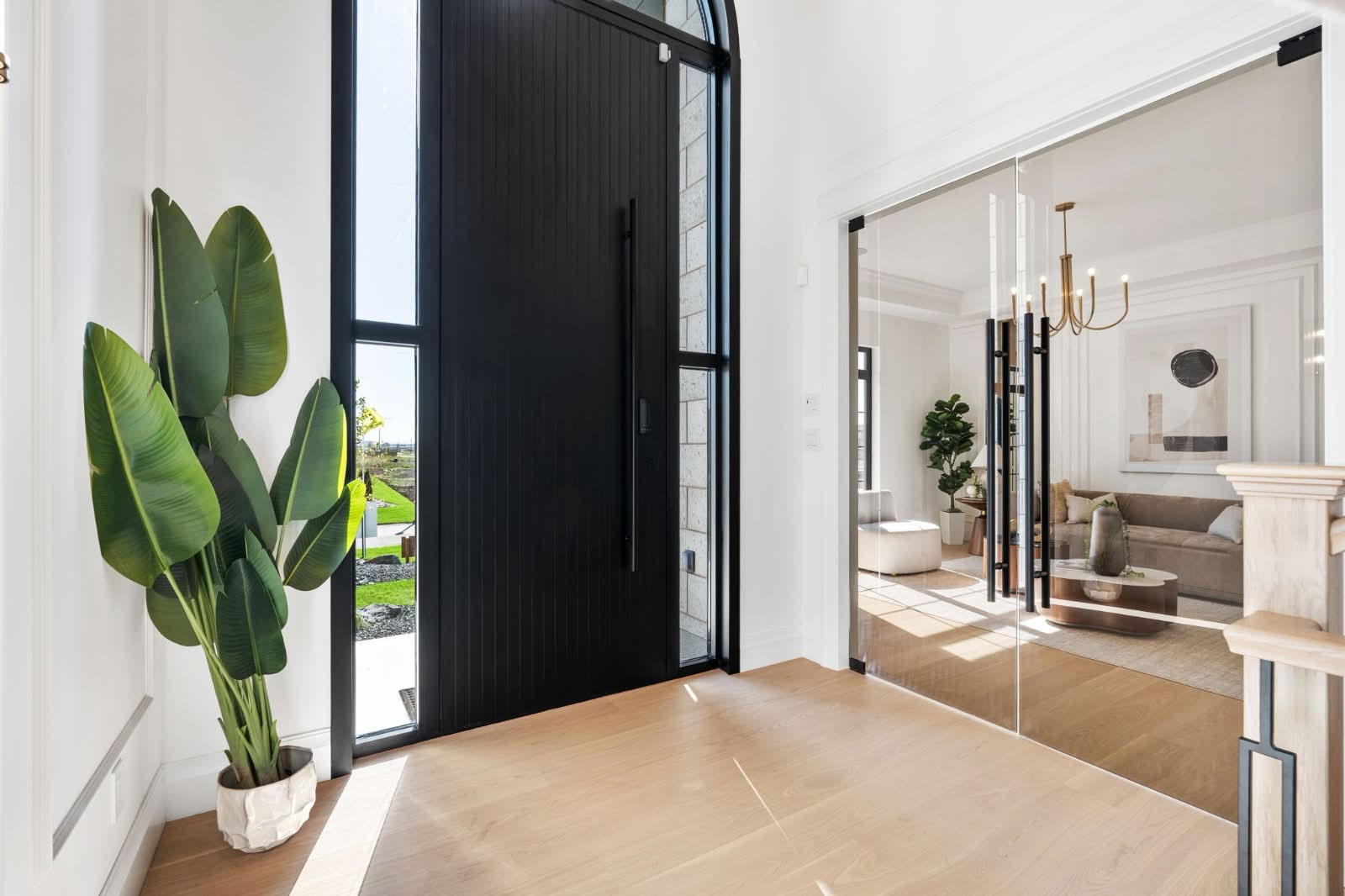
Design trends come and go; the ones worth following are those that age well and hold up to daily life. For drywall and taping in Winnipeg in 2026, here’s what we see homeowners asking for — and, more importantly, what we recommend they think twice about before committing. The goal is a project that still looks right in 2030, not one that screams its construction year.
Why Winnipeg is different
The capital covers every era of home; the right approach depends on which era yours falls into. The neighbourhood is characterized by everything from pre-war character homes through contemporary infill — the full spectrum of Winnipeg housing — older homes with character, mid-century builds, and newer construction across the core and periphery. For drywall and taping specifically, we typically encounter a wide range of conditions depending on the era of the specific home, from knob-and-tube wiring in older cores to modern code-compliant systems in new builds. the Winnipeg market ranges from entry-level to luxury within a short drive of each other.
drywall work itself rarely requires a permit, but wall removals or additions that change layouts do. For drywall and taping in Winnipeg, the practical implication is that scope definition has to account for the era of the home and the conditions we know we’ll find behind finished walls — rather than being priced against a fictional ‘typical’ home that doesn’t match the reality of Winnipeg housing stock.
Material choices that matter most
For drywall and taping, standard 1/2″ drywall for walls, 5/8″ for ceilings, mould-resistant board for bathrooms and below-grade applications. Local suppliers in Manitoba carry what local builders install regularly, which means faster replacement parts, easier warranty service, and tradespeople who already know how to install the material correctly. Specialty or imported products can work beautifully — they just require longer lead times and confirmation that someone local knows how to install them correctly.
Manitoba’s climate punishes anything with poor moisture performance or thermal inefficiency. Choose materials and assemblies rated for our freeze-thaw cycle, not warmer-climate defaults. That means careful attention to vapour barriers, insulation R-values appropriate to Zone 7A, and finish materials that handle movement without cracking or delaminating.
How this affects home value in Winnipeg
Appraisers set value based on comparable sales in the immediate neighbourhood. If your drywall and taping pushes your home’s finish level meaningfully above the Winnipeg average, you may not recapture the premium at resale — though you’ll enjoy the space while you own it. If the work brings a below-average home up to neighbourhood norms, the return is usually strong. the Winnipeg market ranges from entry-level to luxury within a short drive of each other.
The projects that reliably hold value are those that solve real problems with durable execution — outdated kitchens and baths, unfinished basements with good ceiling height, poor layouts, failing envelopes. Purely cosmetic changes age faster and contribute less at appraisal. Drywall & Taping falls into the durable-value category when executed well and scoped appropriately.
How to vet a contractor
Licensing and liability insurance are non-negotiables — ask for certificates and confirm both are current. Ask for recent references on similar scope, and follow up on at least one to hear how the project actually ran (not just how it finished). Check Google and BBB reviews, but pay extra attention to how the contractor responded to any negative reviews — that tells you more about day-to-day practice than the positive ones do.
On the quote itself: a detailed, itemized quote signals a contractor who has thought your scope through. A one-line ‘project price’ with no breakdown suggests shortcuts coming later. Ask how allowances work, how changes are priced, and what the payment schedule looks like against milestones. The answers to these questions separate experienced Manitoba contractors from less-careful ones.
Frequently asked questions
What's fading out of drywall and taping design in 2026?
Maximalist colour, heavy farmhouse aesthetics, and extreme open-plan layouts are all softening. Warm neutrals, defined rooms, and honest natural materials are replacing them.
What's trending that's actually worth following?
Quieter palettes, tactile natural materials, well-planned storage, and spaces designed for how families actually live (hybrid work, multi-generational use). These age better than purely visual trends.
How do I avoid dating my drywall and taping?
Pick structural and material choices that age well (wood, stone, quality tile). Save the trend-sensitive items for paint, hardware, and accessories — those are easy to update later.
Should I follow what designers on Instagram are doing?
Filter heavily. Designer content optimizes for photogenic, not livability. What works visually on a shoot day doesn't always hold up to a five-year-old kid and two decades of family life.
Ready to talk specifics?
If you’re planning a drywall and taping job in Winnipeg, book a free consultation with 5 Star GC. We’ll walk through your project, answer your questions, and follow up with a clear written scope. We cover Winnipeg and the surrounding communities across Manitoba. For more on how we approach this work, see our drywall and taping service page.
For more reading on drywall and taping considerations, see this related guide.