
Drywall & Taping: DIY vs hiring a pro in Tuxedo
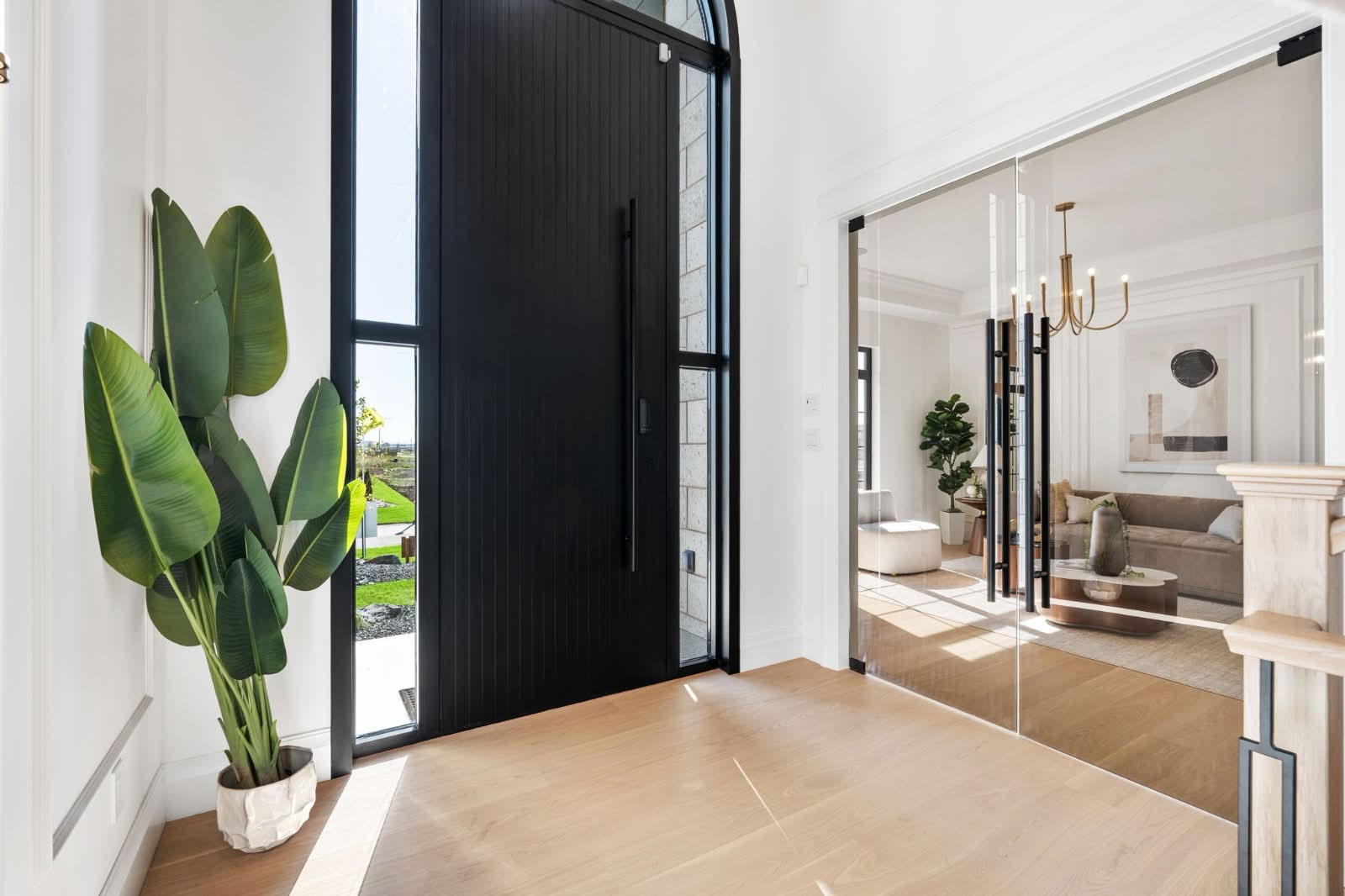
Some drywall and taping can be done well by a capable homeowner. Much of it can’t — or at least, not without risks that exceed what most people realize going in. This is an honest breakdown of where the DIY line falls for drywall and taping in Tuxedo, so you can split work intelligently between what you take on yourself and what belongs to a licensed pro.
Common mistakes homeowners make
Three patterns account for most of the problems we see on drywall and taping in Tuxedo:
Choosing the lowest bid without aligning scope. The cheapest quote is usually the one with the biggest omissions. Before choosing on price, put the quotes side by side and verify what each one includes, excludes, and leaves as allowance.
Skipping the contingency line. Tuxedo homes frequently surface conditions that weren’t visible at quoting — active moisture, outdated wiring hidden behind finished walls, structural surprises. A 10-15% contingency separate from the base budget turns those surprises from financial emergencies into routine decisions.
Paying too much up front. Reasonable deposits exist. Paying more than 30-40% before meaningful work is on site is a red flag in almost every case, and it removes most of your leverage if the project stalls or underperforms.
Permit and inspection process
drywall work itself rarely requires a permit, but wall removals or additions that change layouts do. The City of Winnipeg’s permit fee schedule scales with project value, and inspection costs are rolled into the permit fee. We include all permit and inspection coordination in our written scope so there are no surprises.
In 2026, City of Winnipeg review times are running roughly 2-4 weeks for straightforward applications. Larger scopes, variance requests, or applications flagged for additional review can run 6-10 weeks. We typically submit as soon as scope and drawings are locked so the design-to-start window is as short as possible.
The inspection sequence for drywall and taping usually involves at least three touch points: rough-in (framing, plumbing, and electrical before drywall), insulation/vapour barrier, and final. Each inspection has to pass before the next phase proceeds. Good contractors schedule inspections as soon as they’re ready, not when they’re behind — this keeps the project on schedule.
Why Tuxedo is different
Tuxedo homeowners typically expect a finish level consistent with the surrounding neighbourhood. The neighbourhood is characterized by post-war through contemporary, with many homes extensively renovated over the decades — estate-style properties on larger lots, custom architecture, and consistently high finish expectations. For drywall and taping specifically, we typically encounter premium existing finishes that either need to be matched or exceeded, and site conditions that reflect the age and custom nature of the original builds. Tuxedo properties trade in the higher price tiers of the Winnipeg market.
drywall work itself rarely requires a permit, but wall removals or additions that change layouts do. For drywall and taping in Tuxedo, the practical implication is that scope definition has to account for the era of the home and the conditions we know we’ll find behind finished walls — rather than being priced against a fictional ‘typical’ home that doesn’t match the reality of Tuxedo housing stock.
How to vet a contractor
Licensing and liability insurance are non-negotiables — ask for certificates and confirm both are current. Ask for recent references on similar scope, and follow up on at least one to hear how the project actually ran (not just how it finished). Check Google and BBB reviews, but pay extra attention to how the contractor responded to any negative reviews — that tells you more about day-to-day practice than the positive ones do.
On the quote itself: a detailed, itemized quote signals a contractor who has thought your scope through. A one-line ‘project price’ with no breakdown suggests shortcuts coming later. Ask how allowances work, how changes are priced, and what the payment schedule looks like against milestones. The answers to these questions separate experienced Manitoba contractors from less-careful ones.
Frequently asked questions
What parts of drywall and taping are DIY-friendly?
Demolition, cleanup, painting, and some finish work are fair game for motivated homeowners. Anything permitted, structural, or connected to gas/water/electrical panels belongs to a professional.
Can I save money by doing some work myself?
Yes, if you pick scope carefully and your time is worth less than the labour savings. DIY on the wrong scope costs more than hiring — bad surface prep ruins professional finishes, for instance.
What happens if DIY work goes wrong?
Depends on the scope. Cosmetic DIY just needs redoing. Electrical, plumbing, or structural DIY that fails can be dangerous and expensive — and may not be covered by insurance if it caused damage.
Will a contractor work around homeowner DIY?
Some will, some won't. Those who do typically want to inspect and document conditions first, and they'll warranty only their work — not yours. Expect clear boundaries in writing.
Ready to talk specifics?
If you’re planning a drywall and taping job in Tuxedo, book a free consultation with 5 Star GC. We’ll walk through your project, answer your questions, and follow up with a clear written scope. We cover Tuxedo and the surrounding communities across Manitoba. For more on how we approach this work, see our drywall and taping service page.
For more reading on drywall and taping considerations, see this related guide.