
Financing options for basement development in River Heights, Manitoba
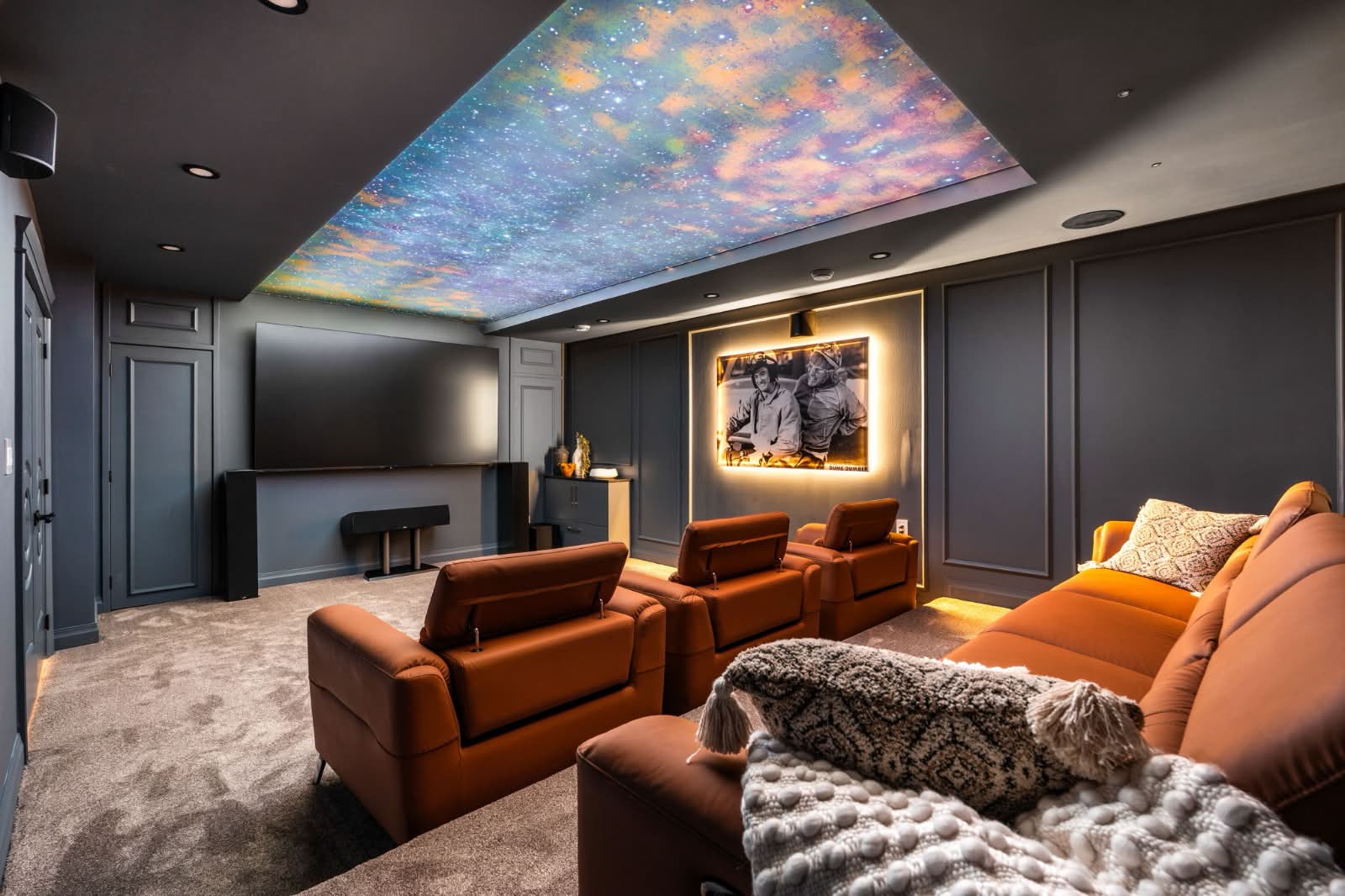
Beyond writing a cheque from savings, several financing paths work for a basement development project in River Heights. Each has tradeoffs worth understanding before you commit — and each has implications for your project timeline that aren’t obvious until you’re mid-process and waiting on a disbursement. This guide covers your options and what lenders typically ask for.
What drives the budget
Project budgets for basement development in River Heights vary with three main factors: scope, finish level, and the condition of the existing structure. A straightforward project with proven materials and standard scope lands at the lower end of the range. Premium finishes, complex scope, or unusual site conditions push toward the higher end.
The single biggest lever on final cost is scope definition. A clearly scoped project with written selections agreed up front typically lands 10-20% under the equivalent project scoped loosely and priced as you go — because ambiguity gets priced conservatively, and ambiguity that survives into construction becomes change orders. The time invested in detailed planning pays back in predictability.
We don’t publish standard price lists because construction budgets are genuinely scope-dependent, and public ranges often mislead homeowners — either into under-budgeting for the project they actually want, or into over-paying for scope that doesn’t fit their home. The only reliable way to understand your specific project’s budget is a walk-through. Book a free consultation and we’ll walk your property, talk through your goals, and follow up with an itemized written scope.
Realistic timeline, phase by phase
The active construction time for basement development is 4-8 weeks of active construction for a standard 700-1,000 sq ft basement. But the full project timeline — from first conversation to final inspection — runs longer because it includes phases most contractors don’t emphasize in their sales pitch:
- Design and scoping: 2-4 weeks for detailed scope, selections, and a quote.
- Permit review: 2-6 weeks from City of Winnipeg for standard applications; longer for variance requests.
- Material procurement: 1-6 weeks (often concurrent with permits). Custom cabinetry, specialty tile, and engineered lumber can extend this.
- Active construction: 4-8 weeks of active construction for a standard 700-1,000 sq ft basement.
- Inspections and punch list: 1-2 weeks after substantive completion.
Adding those phases together, a project with 4-8 weeks of active construction for a standard 700-1,000 sq ft basement of active construction realistically runs 2-4 months start-to-finish. Contractors who quote only active construction are leaving out the rest of the picture, and clients who plan around that number end up frustrated.
Why River Heights is different
River Heights projects balance respecting the character of the home with updating how it functions. The neighbourhood is characterized by pre-war and wartime construction, heavy on 2.5-storey character homes and solid 1920s-1940s builds — established tree-lined streets with pre-war character homes that owners work hard to preserve while modernizing. For basement development specifically, we typically encounter original plaster walls, 90-year-old structural quirks, period details worth preserving, and outdated systems hidden behind beautiful facades. River Heights holds its value through every market cycle — good bones and neighbourhood character do the heavy lifting.
the City of Winnipeg requires a building permit for any finished basement, plus electrical and plumbing permits for any added circuits or fixtures. For basement development in River Heights, the practical implication is that scope definition has to account for the era of the home and the conditions we know we’ll find behind finished walls — rather than being priced against a fictional ‘typical’ home that doesn’t match the reality of River Heights housing stock.
How to vet a contractor
Licensing and liability insurance are non-negotiables — ask for certificates and confirm both are current. Ask for recent references on similar scope, and follow up on at least one to hear how the project actually ran (not just how it finished). Check Google and BBB reviews, but pay extra attention to how the contractor responded to any negative reviews — that tells you more about day-to-day practice than the positive ones do.
On the quote itself: a detailed, itemized quote signals a contractor who has thought your scope through. A one-line ‘project price’ with no breakdown suggests shortcuts coming later. Ask how allowances work, how changes are priced, and what the payment schedule looks like against milestones. The answers to these questions separate experienced Manitoba contractors from less-careful ones.
Frequently asked questions
What financing works best for basement development?
HELOCs offer flexibility — draw what you need, pay interest only on what you use. Renovation mortgages roll cost into the home loan at a mortgage rate. Unsecured renovation loans are faster to close but higher rate.
What do lenders typically ask for?
A scope summary, a quote from the contractor, proof of insurance, and sometimes permits in hand before disbursement. Build financing timeline into the overall project schedule.
Can the contractor help with financing?
Some have partner lenders who offer promotional rates for clients. These can be useful — read the fine print carefully for teaser-rate mechanics, application fees, and payoff terms.
What's the interest impact on project cost?
Over the life of a typical 15-20 year HELOC, interest can add a meaningful percentage to the effective cost of any renovation — often enough to be worth factoring into the save-vs-finance decision. Run your numbers with your lender before committing.
Ready to talk specifics?
If you’re planning a basement development project in River Heights, book a free consultation with 5 Star GC. We’ll walk through your project, answer your questions, and follow up with a clear written scope. We cover River Heights and the surrounding communities across Manitoba. For more on how we approach this work, see our basement development service page.
For more reading on basement development considerations, see this related guide.