
How much does basement development cost in Tuxedo, Manitoba?
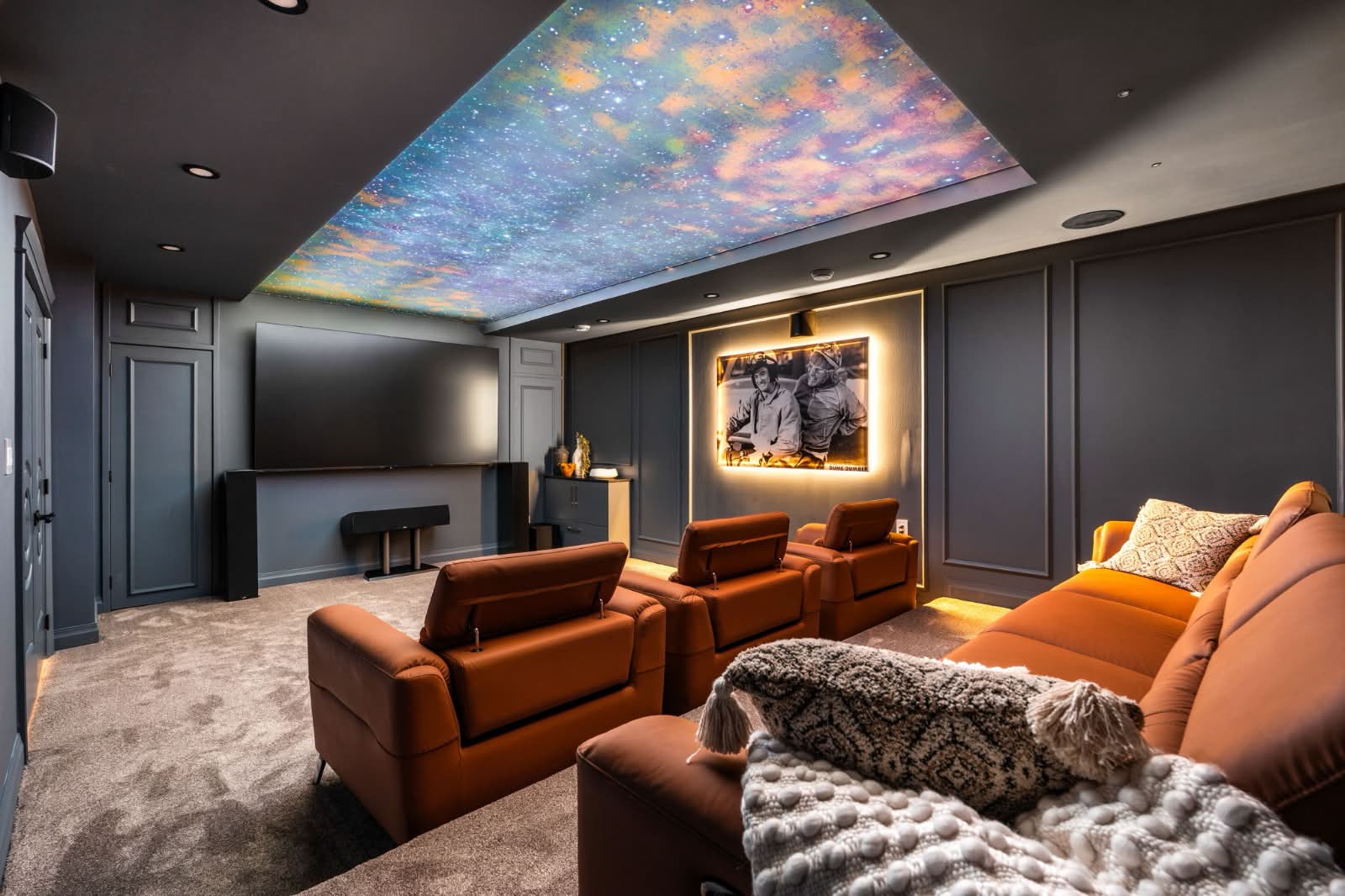
If you’re planning a basement development project in Tuxedo, budget is almost always the first question homeowners bring to us. Construction costs have shifted in Manitoba over the last two years, which means rough numbers from a few years ago can mislead you — either into under-budgeting for what you actually want, or into over-paying for scope that doesn’t fit your home. This guide walks through the factors that drive budget for Tuxedo homes, and how to get a reliable number for your specific project.
What drives the budget
Project budgets for basement development in Tuxedo vary with three main factors: scope, finish level, and the condition of the existing structure. A straightforward project with proven materials and standard scope lands at the lower end of the range. Premium finishes, complex scope, or unusual site conditions push toward the higher end.
The single biggest lever on final cost is scope definition. A clearly scoped project with written selections agreed up front typically lands 10-20% under the equivalent project scoped loosely and priced as you go — because ambiguity gets priced conservatively, and ambiguity that survives into construction becomes change orders. The time invested in detailed planning pays back in predictability.
We don’t publish standard price lists because construction budgets are genuinely scope-dependent, and public ranges often mislead homeowners — either into under-budgeting for the project they actually want, or into over-paying for scope that doesn’t fit their home. The only reliable way to understand your specific project’s budget is a walk-through. Book a free consultation and we’ll walk your property, talk through your goals, and follow up with an itemized written scope.
Why Tuxedo is different
Tuxedo homeowners typically expect a finish level consistent with the surrounding neighbourhood. The neighbourhood is characterized by post-war through contemporary, with many homes extensively renovated over the decades — estate-style properties on larger lots, custom architecture, and consistently high finish expectations. For basement development specifically, we typically encounter premium existing finishes that either need to be matched or exceeded, and site conditions that reflect the age and custom nature of the original builds. Tuxedo properties trade in the higher price tiers of the Winnipeg market.
the City of Winnipeg requires a building permit for any finished basement, plus electrical and plumbing permits for any added circuits or fixtures. For basement development in Tuxedo, the practical implication is that scope definition has to account for the era of the home and the conditions we know we’ll find behind finished walls — rather than being priced against a fictional ‘typical’ home that doesn’t match the reality of Tuxedo housing stock.
Common mistakes homeowners make
Three patterns account for most of the problems we see on basement development in Tuxedo:
Choosing the lowest bid without aligning scope. The cheapest quote is usually the one with the biggest omissions. Before choosing on price, put the quotes side by side and verify what each one includes, excludes, and leaves as allowance.
Skipping the contingency line. Tuxedo homes frequently surface conditions that weren’t visible at quoting — active moisture, outdated wiring hidden behind finished walls, structural surprises. A 10-15% contingency separate from the base budget turns those surprises from financial emergencies into routine decisions.
Paying too much up front. Reasonable deposits exist. Paying more than 30-40% before meaningful work is on site is a red flag in almost every case, and it removes most of your leverage if the project stalls or underperforms.
How to vet a contractor
Licensing and liability insurance are non-negotiables — ask for certificates and confirm both are current. Ask for recent references on similar scope, and follow up on at least one to hear how the project actually ran (not just how it finished). Check Google and BBB reviews, but pay extra attention to how the contractor responded to any negative reviews — that tells you more about day-to-day practice than the positive ones do.
On the quote itself: a detailed, itemized quote signals a contractor who has thought your scope through. A one-line ‘project price’ with no breakdown suggests shortcuts coming later. Ask how allowances work, how changes are priced, and what the payment schedule looks like against milestones. The answers to these questions separate experienced Manitoba contractors from less-careful ones.
Frequently asked questions
Is it worth getting multiple quotes for basement development?
Yes. Two or three detailed quotes is ideal — enough to see the market, few enough to align scope carefully across each one. More than that and you spend too much time aligning what each contractor means by "included."
How long should a quote stay valid?
Standard is 30-60 days. Material prices move month-to-month in 2026, and contractors cannot honour indefinite pricing without absorbing loss on scope changes.
What's a typical deposit for basement development in Tuxedo?
10-25% is the standard range in Manitoba, with milestone-based payments through the project. Larger deposits can be legitimate if work and material costs justify them — ask specifically what the deposit covers.
Can I get a reliable quote over the phone?
For very small scopes, sometimes. For anything above a few thousand dollars or requiring permits, a site visit produces a dramatically more accurate number and prevents surprises once work begins.
Ready to talk specifics?
If you’re planning a basement development project in Tuxedo, book a free consultation with 5 Star GC. We’ll walk through your project, answer your questions, and follow up with a clear written scope. We cover Tuxedo and the surrounding communities across Manitoba. For more on how we approach this work, see our basement development service page.
For more reading on basement development considerations, see this related guide.