
Understanding commercial build-outs warranties in Tuxedo
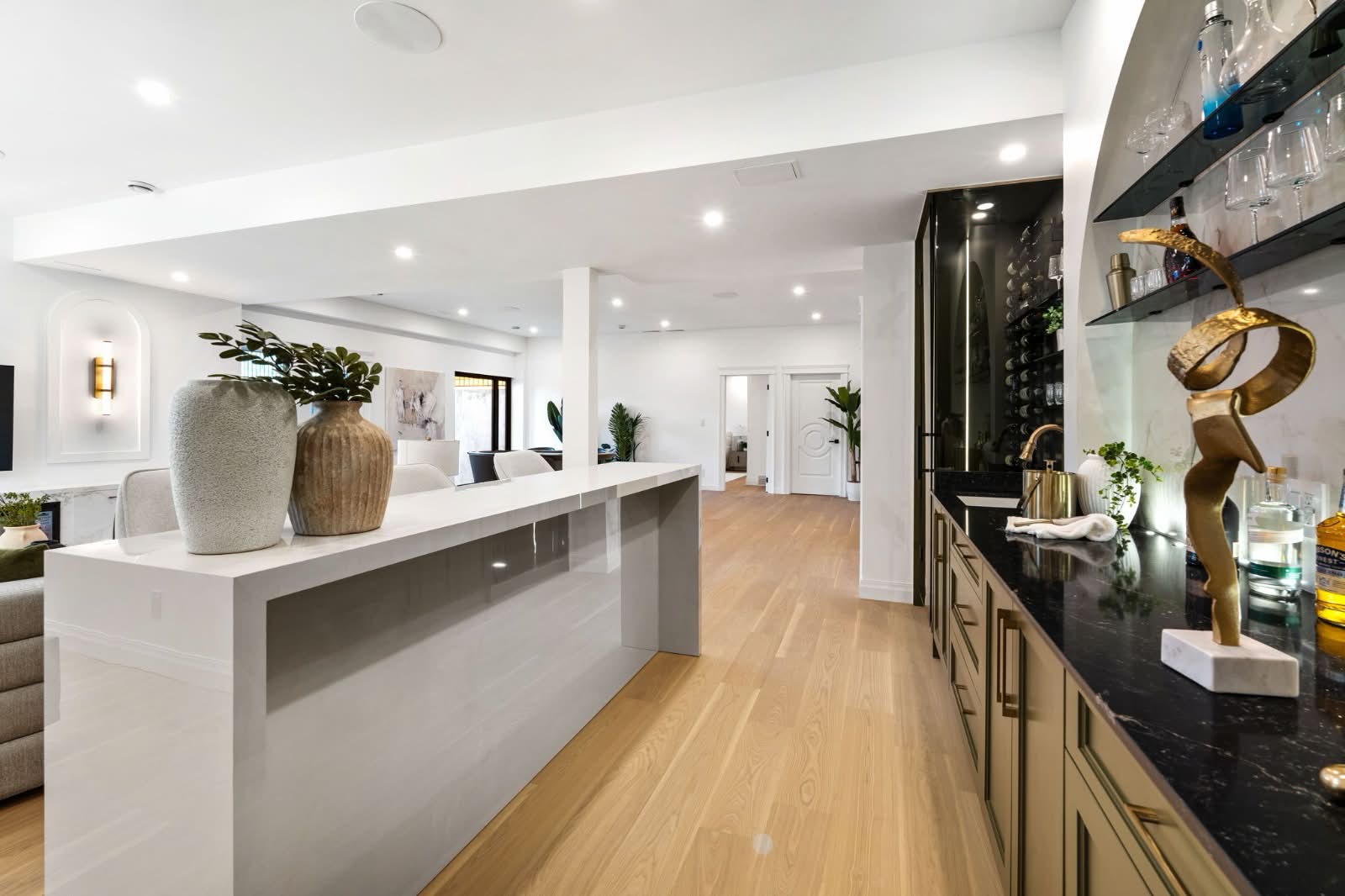
Warranty terms on a commercial build-out are where the gap between contractors becomes clearest. Not all warranties are equal, and in Tuxedo the differences show up most clearly after the first winter. This guide covers what’s typical in Manitoba, what’s excluded, and how to read warranty paperwork so you actually understand what you’re protected against.
How to vet a contractor
Licensing and liability insurance are non-negotiables — ask for certificates and confirm both are current. Ask for recent references on similar scope, and follow up on at least one to hear how the project actually ran (not just how it finished). Check Google and BBB reviews, but pay extra attention to how the contractor responded to any negative reviews — that tells you more about day-to-day practice than the positive ones do.
On the quote itself: a detailed, itemized quote signals a contractor who has thought your scope through. A one-line ‘project price’ with no breakdown suggests shortcuts coming later. Ask how allowances work, how changes are priced, and what the payment schedule looks like against milestones. The answers to these questions separate experienced Manitoba contractors from less-careful ones.
Common mistakes homeowners make
Three patterns account for most of the problems we see on commercial build-outs in Tuxedo:
Choosing the lowest bid without aligning scope. The cheapest quote is usually the one with the biggest omissions. Before choosing on price, put the quotes side by side and verify what each one includes, excludes, and leaves as allowance.
Skipping the contingency line. Tuxedo homes frequently surface conditions that weren’t visible at quoting — active moisture, outdated wiring hidden behind finished walls, structural surprises. A 10-15% contingency separate from the base budget turns those surprises from financial emergencies into routine decisions.
Paying too much up front. Reasonable deposits exist. Paying more than 30-40% before meaningful work is on site is a red flag in almost every case, and it removes most of your leverage if the project stalls or underperforms.
Why Tuxedo is different
Tuxedo homeowners typically expect a finish level consistent with the surrounding neighbourhood. The neighbourhood is characterized by post-war through contemporary, with many homes extensively renovated over the decades — estate-style properties on larger lots, custom architecture, and consistently high finish expectations. For commercial build-outs specifically, we typically encounter premium existing finishes that either need to be matched or exceeded, and site conditions that reflect the age and custom nature of the original builds. Tuxedo properties trade in the higher price tiers of the Winnipeg market.
commercial permits are more complex than residential — occupancy classifications, fire and life safety, and accessibility all come into play. For commercial build-outs in Tuxedo, the practical implication is that scope definition has to account for the era of the home and the conditions we know we’ll find behind finished walls — rather than being priced against a fictional ‘typical’ home that doesn’t match the reality of Tuxedo housing stock.
Material choices that matter most
For commercial build-outs, commercial-grade finishes, accessibility requirements (barrier-free), and durable materials for high-traffic use. Local suppliers in Manitoba carry what local builders install regularly, which means faster replacement parts, easier warranty service, and tradespeople who already know how to install the material correctly. Specialty or imported products can work beautifully — they just require longer lead times and confirmation that someone local knows how to install them correctly.
Manitoba’s climate punishes anything with poor moisture performance or thermal inefficiency. Choose materials and assemblies rated for our freeze-thaw cycle, not warmer-climate defaults. That means careful attention to vapour barriers, insulation R-values appropriate to Zone 7A, and finish materials that handle movement without cracking or delaminating.
Frequently asked questions
What's a typical workmanship warranty in Manitoba?
One to two years for most trades-specific work, longer for structural scopes. Manufacturer warranties on materials run separately and vary widely by product.
What's usually excluded?
Normal wear and tear, damage from misuse, damage from acts of nature, and failures caused by deferred maintenance the homeowner was expected to do. Read exclusions carefully — that's where the real coverage picture emerges.
How do I make a warranty claim?
Written notification to the contractor with photos and description. Good contractors acknowledge within a week and schedule an assessment. The process should be in the original contract.
What if the contractor goes out of business?
Workmanship warranties from defunct contractors are typically worthless. Manufacturer warranties on materials survive and can often be claimed directly. Another reason to pick established contractors over the lowest bid.
Ready to talk specifics?
If you’re planning a commercial build-out in Tuxedo, book a free consultation with 5 Star GC. We’ll walk through your project, answer your questions, and follow up with a clear written scope. We cover Tuxedo and the surrounding communities across Manitoba. For more on how we approach this work, see our commercial build-outs service page.
For more reading on commercial build-outs considerations, see this related guide.