Basement Development materials guide for Transcona homeowners
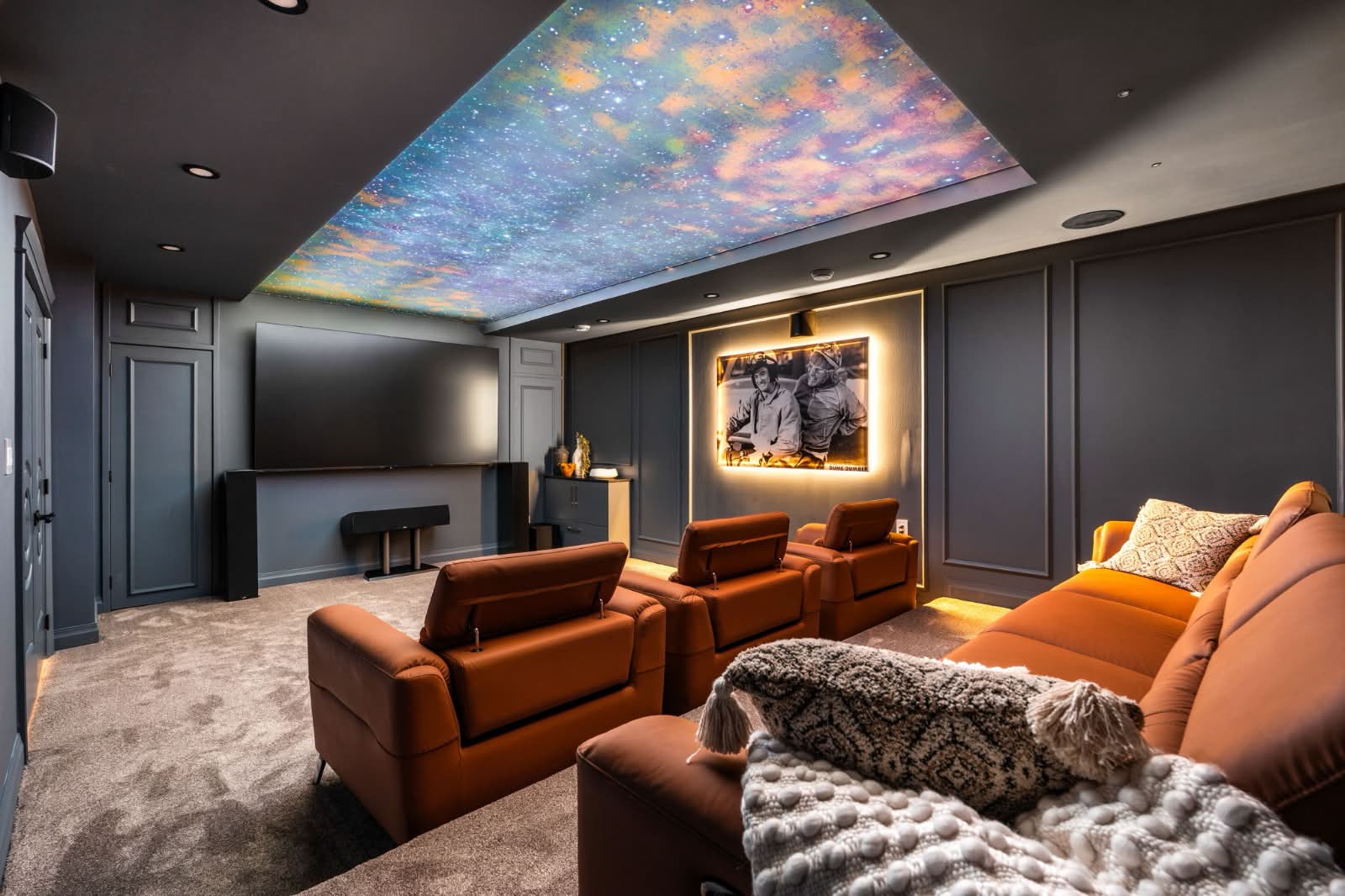
Material choices drive both the upfront cost and the lifespan of a basement development project. In Transcona, Manitoba’s climate and local supplier ecosystem shape which choices make sense — and which look great in a showroom but underperform in real-world conditions. This guide covers the material decisions that matter most for basement development and what to ask suppliers and contractors about.
Material choices that matter most
For basement development, moisture-tolerant materials matter here — proper vapour management, elevated subfloor systems, and appropriate insulation for below-grade conditions. Local suppliers in Manitoba carry what local builders install regularly, which means faster replacement parts, easier warranty service, and tradespeople who already know how to install the material correctly. Specialty or imported products can work beautifully — they just require longer lead times and confirmation that someone local knows how to install them correctly.
Manitoba’s climate punishes anything with poor moisture performance or thermal inefficiency. Choose materials and assemblies rated for our freeze-thaw cycle, not warmer-climate defaults. That means careful attention to vapour barriers, insulation R-values appropriate to Zone 7A, and finish materials that handle movement without cracking or delaminating.
Why Transcona is different
Transcona properties frequently need both cosmetic updates and infrastructure upgrades together. The neighbourhood is characterized by primarily 1940s through 1960s — post-war bungalows and smaller family homes — established working neighbourhoods with housing stock 60-80 years old and a deep community fabric. For basement development specifically, we typically encounter aging mechanicals, smaller footprints that homeowners often want to expand, and original wiring and plumbing in many homes. Transcona remains one of Winnipeg’s more accessible neighbourhoods for first-time buyers and mid-career families.
the City of Winnipeg requires a building permit for any finished basement, plus electrical and plumbing permits for any added circuits or fixtures. For basement development in Transcona, the practical implication is that scope definition has to account for the era of the home and the conditions we know we’ll find behind finished walls — rather than being priced against a fictional ‘typical’ home that doesn’t match the reality of Transcona housing stock.
What drives the budget
Project budgets for basement development in Transcona vary with three main factors: scope, finish level, and the condition of the existing structure. A straightforward project with proven materials and standard scope lands at the lower end of the range. Premium finishes, complex scope, or unusual site conditions push toward the higher end.
The single biggest lever on final cost is scope definition. A clearly scoped project with written selections agreed up front typically lands 10-20% under the equivalent project scoped loosely and priced as you go — because ambiguity gets priced conservatively, and ambiguity that survives into construction becomes change orders. The time invested in detailed planning pays back in predictability.
We don’t publish standard price lists because construction budgets are genuinely scope-dependent, and public ranges often mislead homeowners — either into under-budgeting for the project they actually want, or into over-paying for scope that doesn’t fit their home. The only reliable way to understand your specific project’s budget is a walk-through. Book a free consultation and we’ll walk your property, talk through your goals, and follow up with an itemized written scope.
Manitoba climate considerations
basements are one of the best projects to run in winter — the work happens entirely in conditioned space. Manitoba’s freeze-thaw cycle and deep winter temperatures affect every outdoor scope and some indoor materials. For basement development specifically, moisture-tolerant materials matter here — proper vapour management, elevated subfloor systems, and appropriate insulation for below-grade conditions.
Practical implications for Transcona homeowners: interior scope runs well year-round and crews are often more available in winter. Exterior scope — foundations, envelope, roofing, siding — is tied to weather windows. Planning 3+ months ahead of desired start date puts you in the best position to have flexibility on season.
Frequently asked questions
What materials last longest in Manitoba's climate?
Materials rated for Zone 7A cold, with good moisture performance. For exterior: fibre cement siding, asphalt architectural shingles, triple-pane windows. For interior: engineered floors, mould-resistant drywall in wet areas.
Is it worth paying for premium materials?
For items that are expensive to replace later (windows, roofing, cabinets, tile) — often yes. For trend items (paint colour, fixtures, hardware) — usually no. Premium on the first category pays back; on the second it just ages alongside cheaper versions.
What materials should I avoid in Transcona?
Anything warmer-climate rated, untreated exterior wood with poor UV exposure, and low-end vapour-permeable products in below-grade applications. Local suppliers know what fails here and steer toward what works.
Can I supply my own materials?
Sometimes — but most contractors prefer to source through their supplier relationships for warranty and replacement-part consistency. Owner-supplied materials carry no contractor warranty in most cases.
Ready to talk specifics?
If you’re planning a basement development project in Transcona, book a free consultation with 5 Star GC. We’ll walk through your project, answer your questions, and follow up with a clear written scope. We cover Transcona and the surrounding communities across Manitoba. For more on how we approach this work, see our basement development service page.
For more reading on basement development considerations, see this related guide.