
What to expect during basement development in Transcona: a realistic walk-through
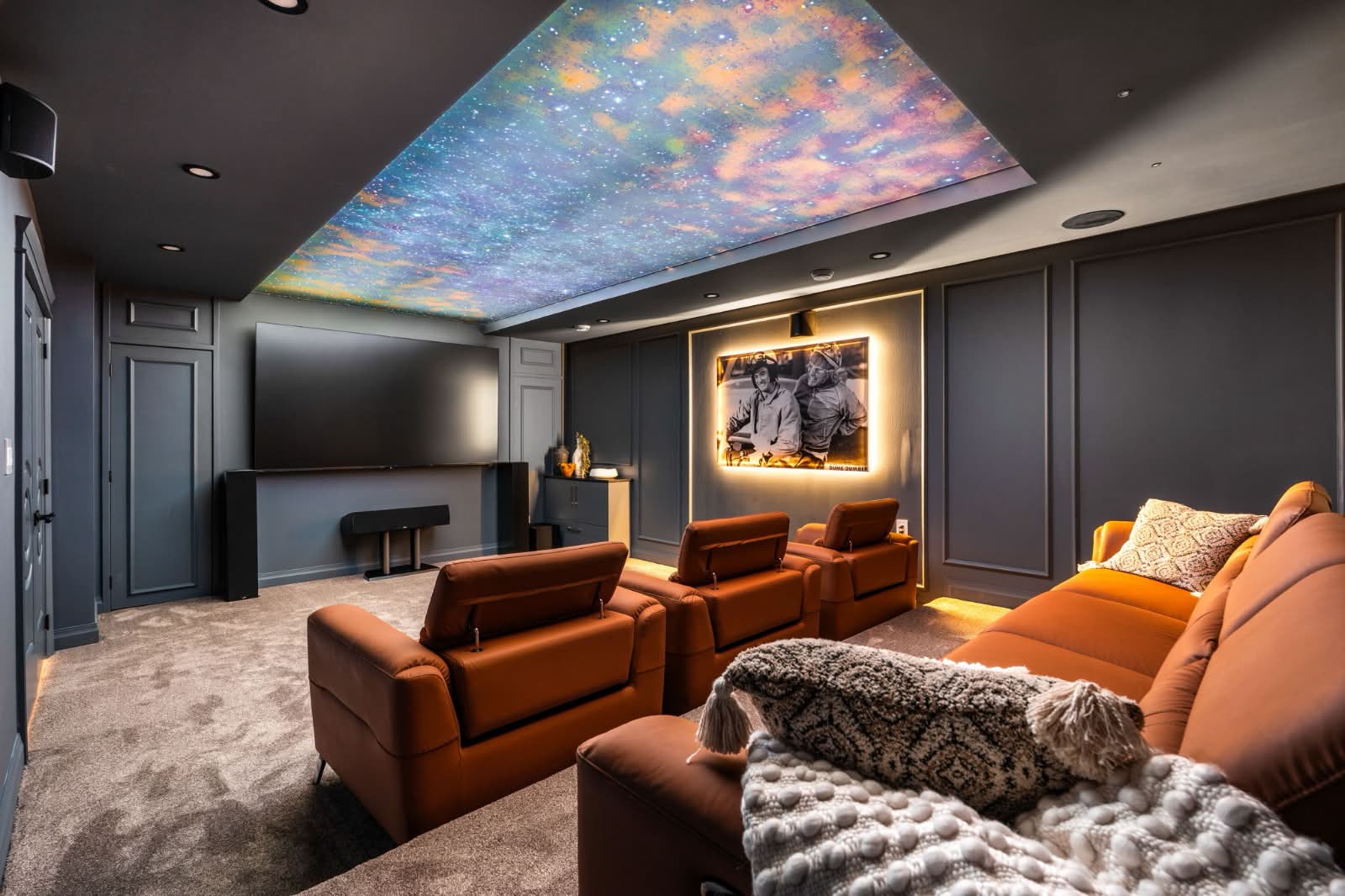
Homeowners consistently underestimate what construction is like to live through. For a basement development project in Transcona, a clear picture of day-to-day reality — dust, noise, schedule, decisions — makes the project dramatically less stressful. This piece walks through what a typical project looks like from the first crew arrival through final walk-through, with specific notes on what to expect at each phase.
What to expect day-to-day
For basement development in Transcona, expect crews, deliveries, and dust — even with the best protection plans. Dust barriers reduce but don’t eliminate migration into adjacent spaces. Some days are loud (demolition, framing, concrete cutting); others are quiet (taping, finishing, cabinet install). A clear schedule from the contractor should tell you which days require you to be elsewhere and which you can work through from home.
Even with a fully planned scope, decisions come up mid-project — finishes, hardware, alternates when back-ordered materials shift lead times. The best projects run on documented decisions: when you pick something, it goes in writing and gets confirmed before install. A good contractor has a clear process for this — ask about it during your interview.
Realistic timeline, phase by phase
The active construction time for basement development is 4-8 weeks of active construction for a standard 700-1,000 sq ft basement. But the full project timeline — from first conversation to final inspection — runs longer because it includes phases most contractors don’t emphasize in their sales pitch:
- Design and scoping: 2-4 weeks for detailed scope, selections, and a quote.
- Permit review: 2-6 weeks from City of Winnipeg for standard applications; longer for variance requests.
- Material procurement: 1-6 weeks (often concurrent with permits). Custom cabinetry, specialty tile, and engineered lumber can extend this.
- Active construction: 4-8 weeks of active construction for a standard 700-1,000 sq ft basement.
- Inspections and punch list: 1-2 weeks after substantive completion.
Adding those phases together, a project with 4-8 weeks of active construction for a standard 700-1,000 sq ft basement of active construction realistically runs 2-4 months start-to-finish. Contractors who quote only active construction are leaving out the rest of the picture, and clients who plan around that number end up frustrated.
Why Transcona is different
Transcona properties frequently need both cosmetic updates and infrastructure upgrades together. The neighbourhood is characterized by primarily 1940s through 1960s — post-war bungalows and smaller family homes — established working neighbourhoods with housing stock 60-80 years old and a deep community fabric. For basement development specifically, we typically encounter aging mechanicals, smaller footprints that homeowners often want to expand, and original wiring and plumbing in many homes. Transcona remains one of Winnipeg’s more accessible neighbourhoods for first-time buyers and mid-career families.
the City of Winnipeg requires a building permit for any finished basement, plus electrical and plumbing permits for any added circuits or fixtures. For basement development in Transcona, the practical implication is that scope definition has to account for the era of the home and the conditions we know we’ll find behind finished walls — rather than being priced against a fictional ‘typical’ home that doesn’t match the reality of Transcona housing stock.
Common mistakes homeowners make
Three patterns account for most of the problems we see on basement development in Transcona:
Choosing the lowest bid without aligning scope. The cheapest quote is usually the one with the biggest omissions. Before choosing on price, put the quotes side by side and verify what each one includes, excludes, and leaves as allowance.
Skipping the contingency line. Transcona homes frequently surface conditions that weren’t visible at quoting — active moisture, outdated wiring hidden behind finished walls, structural surprises. A 10-15% contingency separate from the base budget turns those surprises from financial emergencies into routine decisions.
Paying too much up front. Reasonable deposits exist. Paying more than 30-40% before meaningful work is on site is a red flag in almost every case, and it removes most of your leverage if the project stalls or underperforms.
Frequently asked questions
How disruptive is basement development to daily life?
Variable — from minimal (basement work where you can stay out of the area) to significant (kitchen renovations in an occupied home). Dust, noise, and utility shutoffs are the main factors. Good plans anticipate these.
Can I live in the home during construction?
Usually yes for partial scopes, sometimes no for whole-home work. It depends on which spaces are affected, whether kitchens/bathrooms are offline, and your tolerance for disruption. Your contractor can advise.
How are decisions communicated during the project?
Good contractors document decisions in writing. Text, email, and written confirmations all work — verbal agreements get forgotten. A single point of contact on each side prevents confusion.
What if I want to change scope mid-project?
Scope changes are normal. They should be priced in writing before work proceeds — that's the change order process. Fast-scope changes without paperwork are where relationships break down.
Ready to talk specifics?
If you’re planning a basement development project in Transcona, book a free consultation with 5 Star GC. We’ll walk through your project, answer your questions, and follow up with a clear written scope. We cover Transcona and the surrounding communities across Manitoba. For more on how we approach this work, see our basement development service page.
For more reading on basement development considerations, see this related guide.